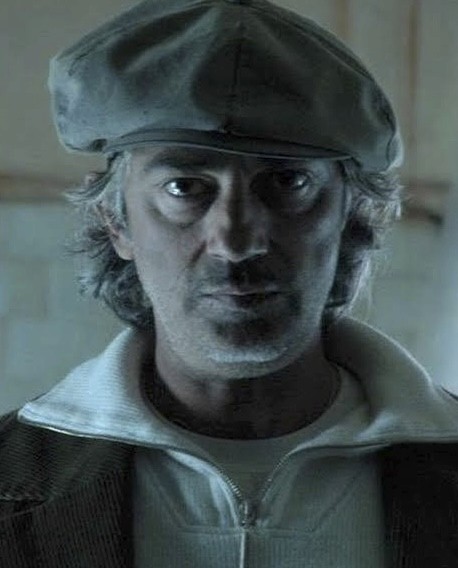
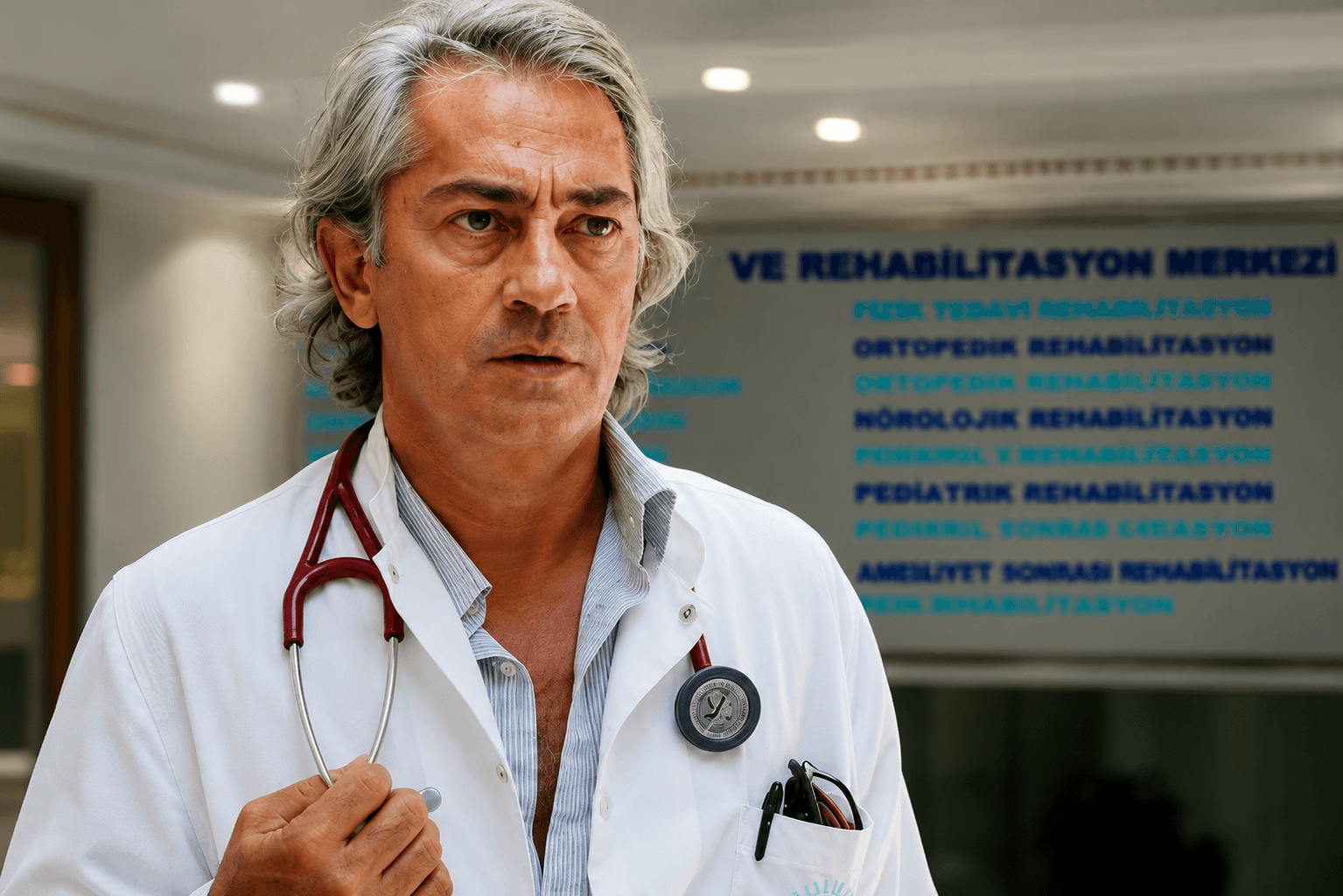
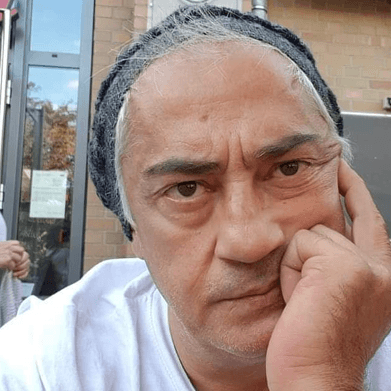
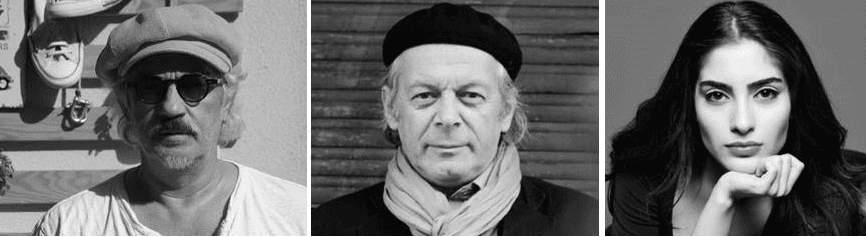
Mustafa Altıoklar

Director · Author · Producer · Physician

Biography

"Write the ending first."
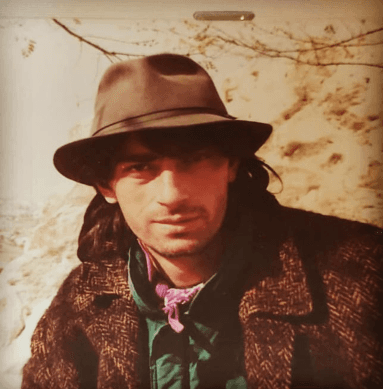
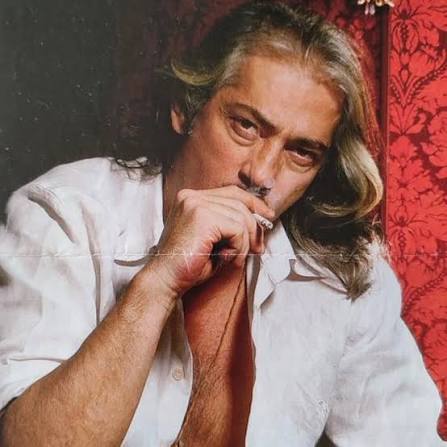
Mustafa Altıoklar (b. 1958) is an author, filmmaker, producer and physician whose work spans cinema, literature, medicine and education. Throughout more than three decades, he has pursued these disciplines not as separate professions but as complementary ways of exploring human experience. His films, books and educational work share a common interest in memory, identity, society and the individual. As he once described his own work, he has spent a lifetime “taking X-rays of life.

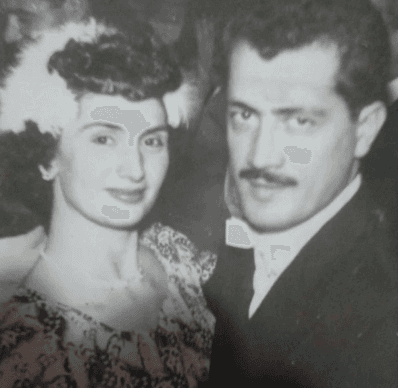
”One influence came from his father, Dr. Kemal Altıoklar, a physician who introduced his son to the discipline of medicine and the extraordinary possibilities of science. Another came from his mother, Türkan Altıoklar, a schoolteacher and radio playwright whose evenings echoed with the rhythmic sound of a typewriter as she adapted literary classics into radio dramas.
“The manifesto is the abstract trajectory of the screenplay.”

At the age of eleven his father took him to a medical conference, where physicians watched documentary footage of Dr. Christiaan Barnard’s first human heart transplant. In the darkness of the auditorium, illuminated only by the flicker of an 8 mm projector, medicine and cinema suddenly became inseparable.

While pursuing his medical education, Altıoklar remained deeply engaged in the art of cinema and literature, carrying forward the same intellectual discipline that would later shape both his scientific work and his filmmaking. During his years at Hacettepe University, he became an active member of the democratic student movement, while searching for ways to unite science, social responsibility and individual freedom.

After graduating from Faculty of Medicine in 1984, Mustafa Altıoklar began his residency in Physical Medicine and Rehabilitation. Medicine became his profession, but never the boundary of his imagination.

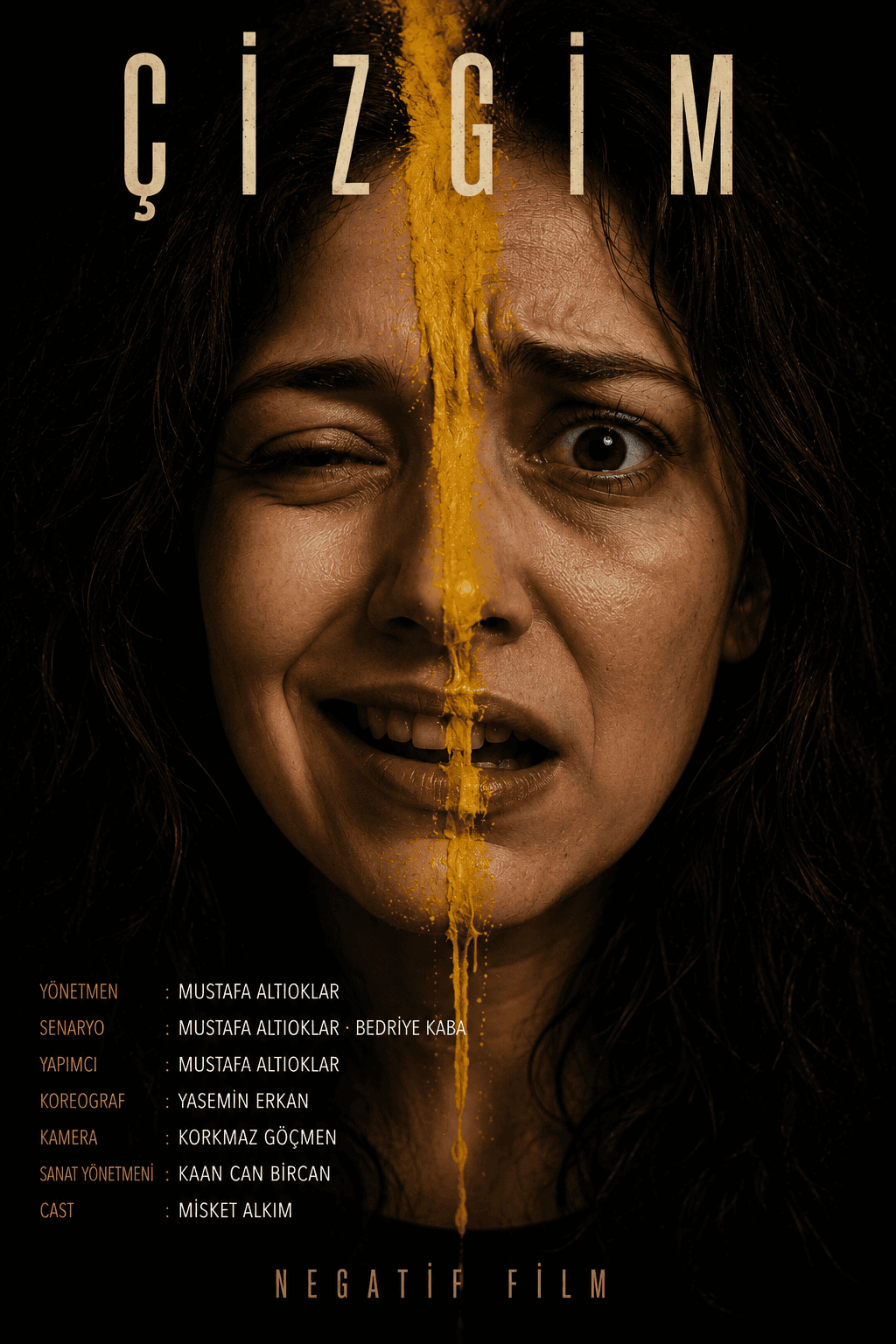
In 1989, while still completing his medical specialization, he directed his first short film, My Line. Its participation in the Lausanne Film Festival marked the moment when a second line began to unfold beside medicine -a line that would ultimately lead to cinema.

“The most vibrant part of every story unfolds inside the belly of the whale.”

His subsequent films - including L'Ascenseur (1999), He Is in the Army Now (2003) demonstrated a sustained commitment to artistic independence and formal experimentation across a wide range of genres.

In 2003, together with his siblings Mehmet Altıoklar and Emine Altıoklar, he co-founded Altıoklar Film, an independent production company established to produce film and TV projects while preserving creative independence. The company’s work during this period resulted in two feature films: The Bathroom (2006) and Shattered Soul (2007).

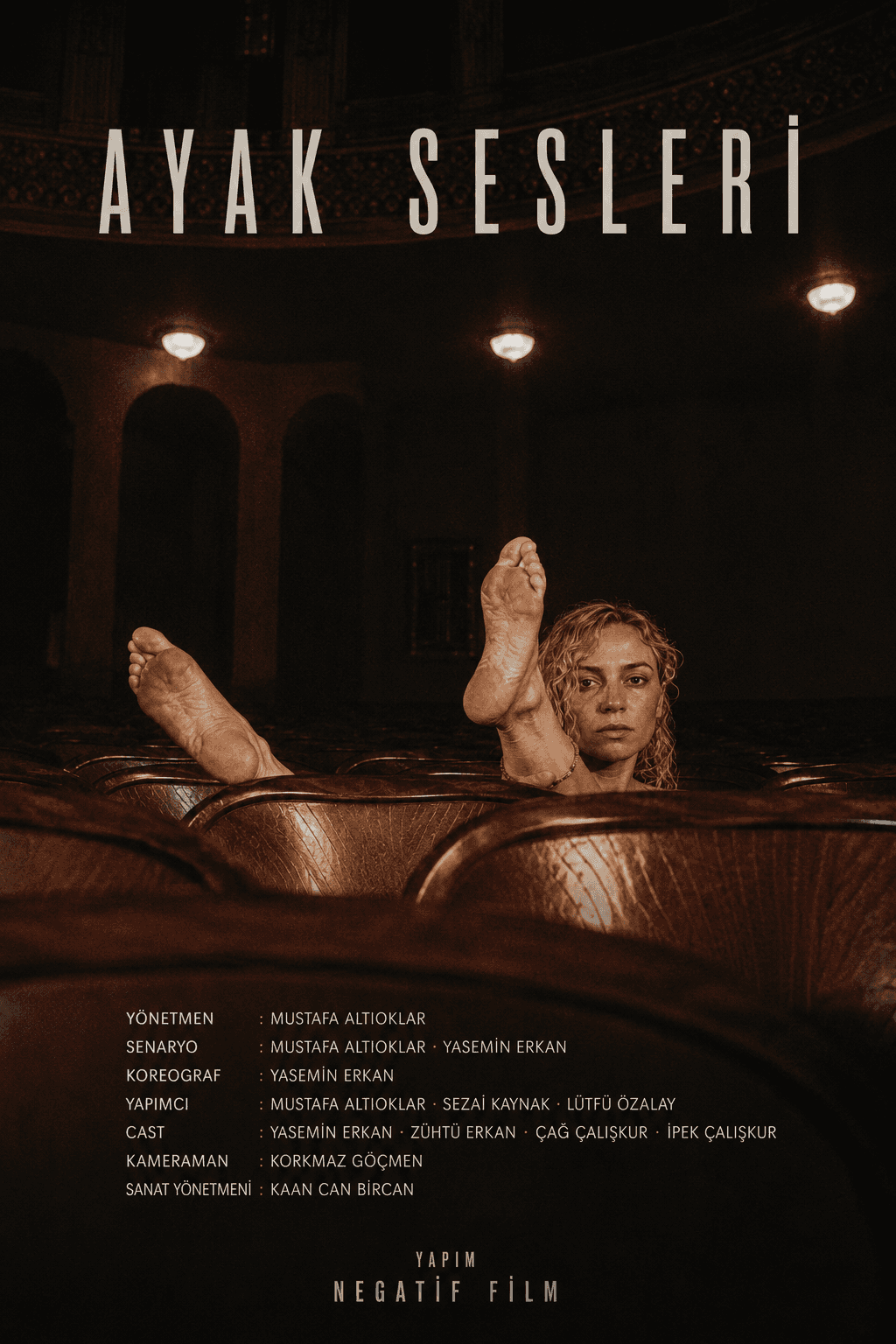
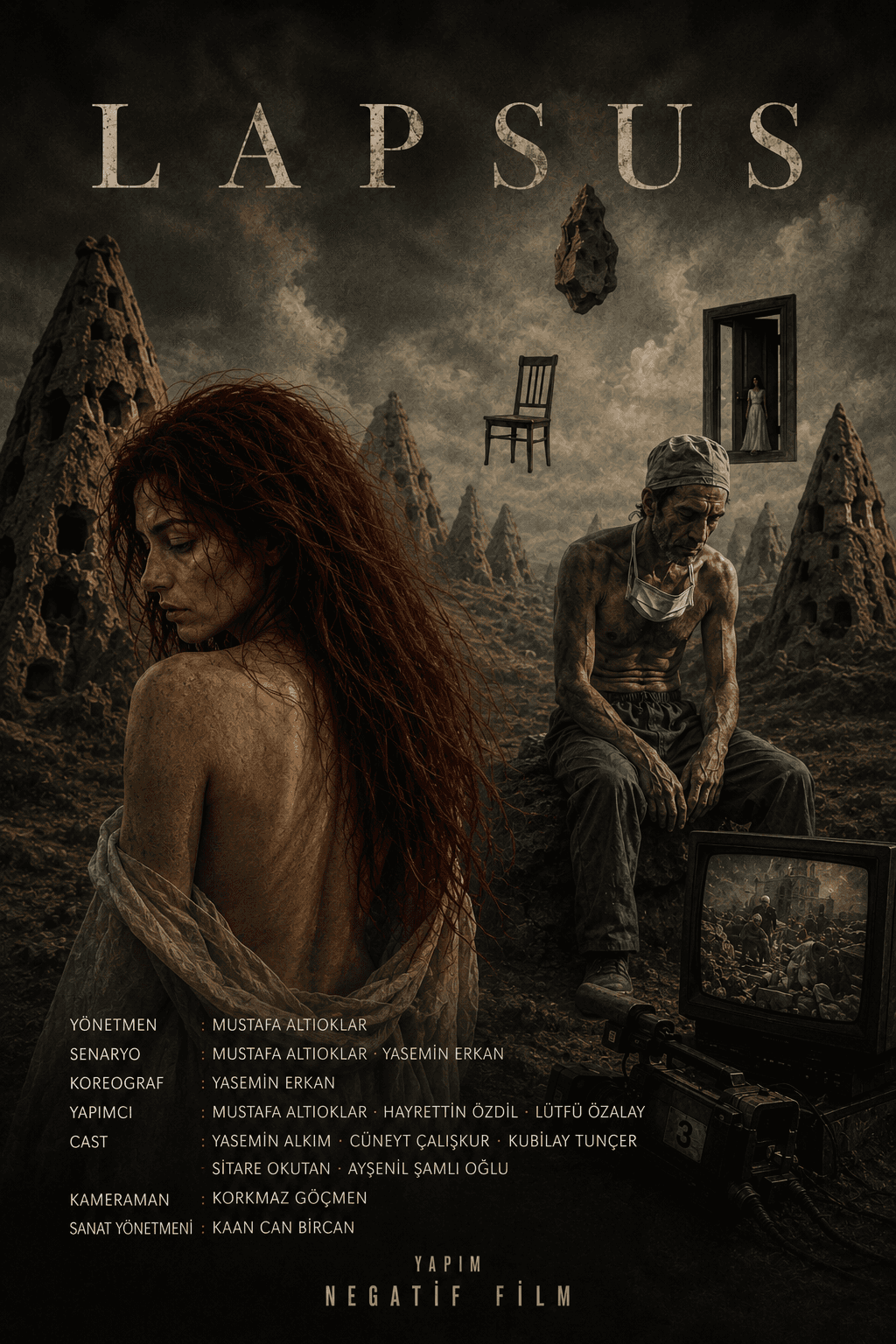
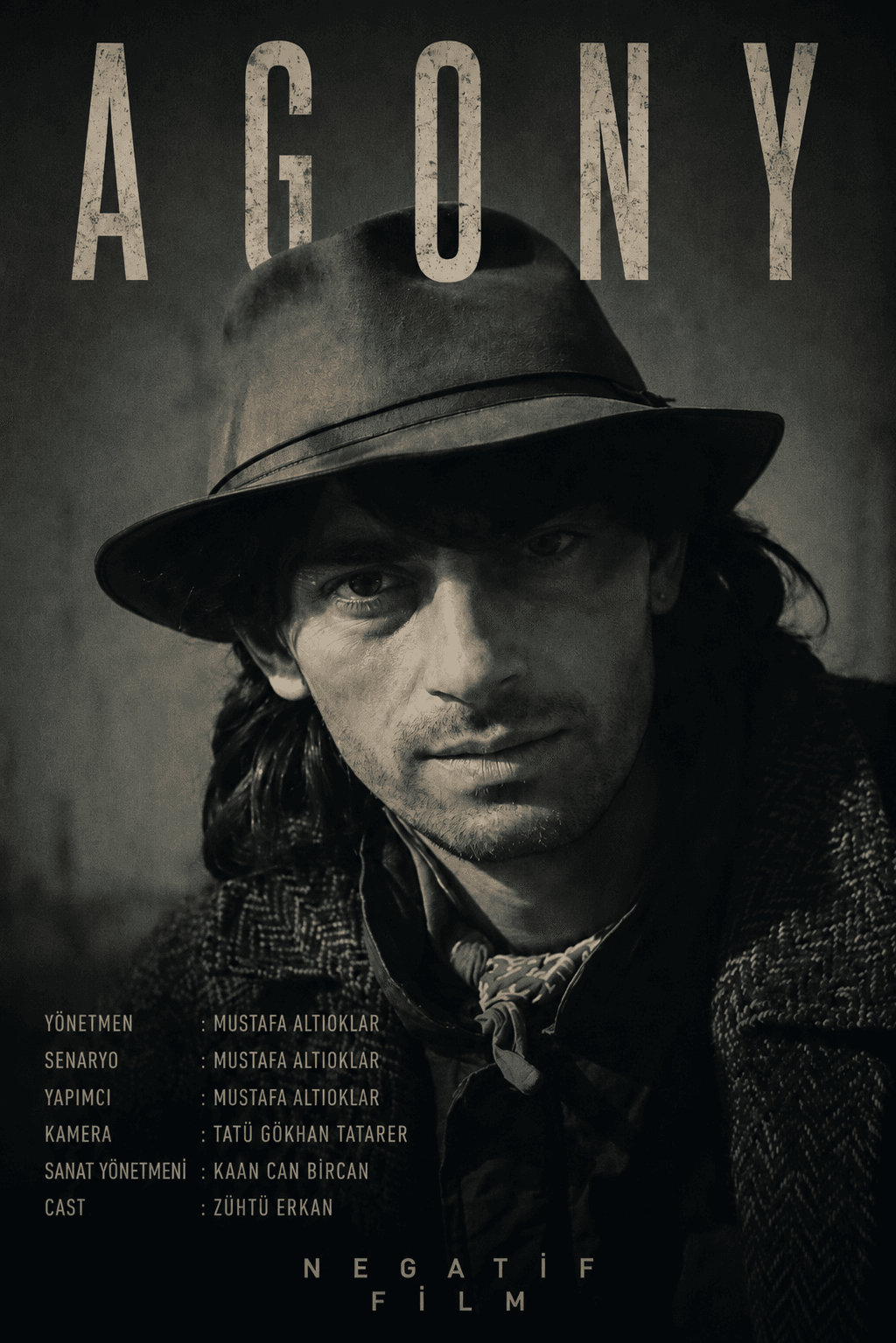
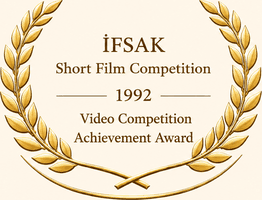
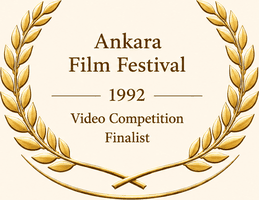
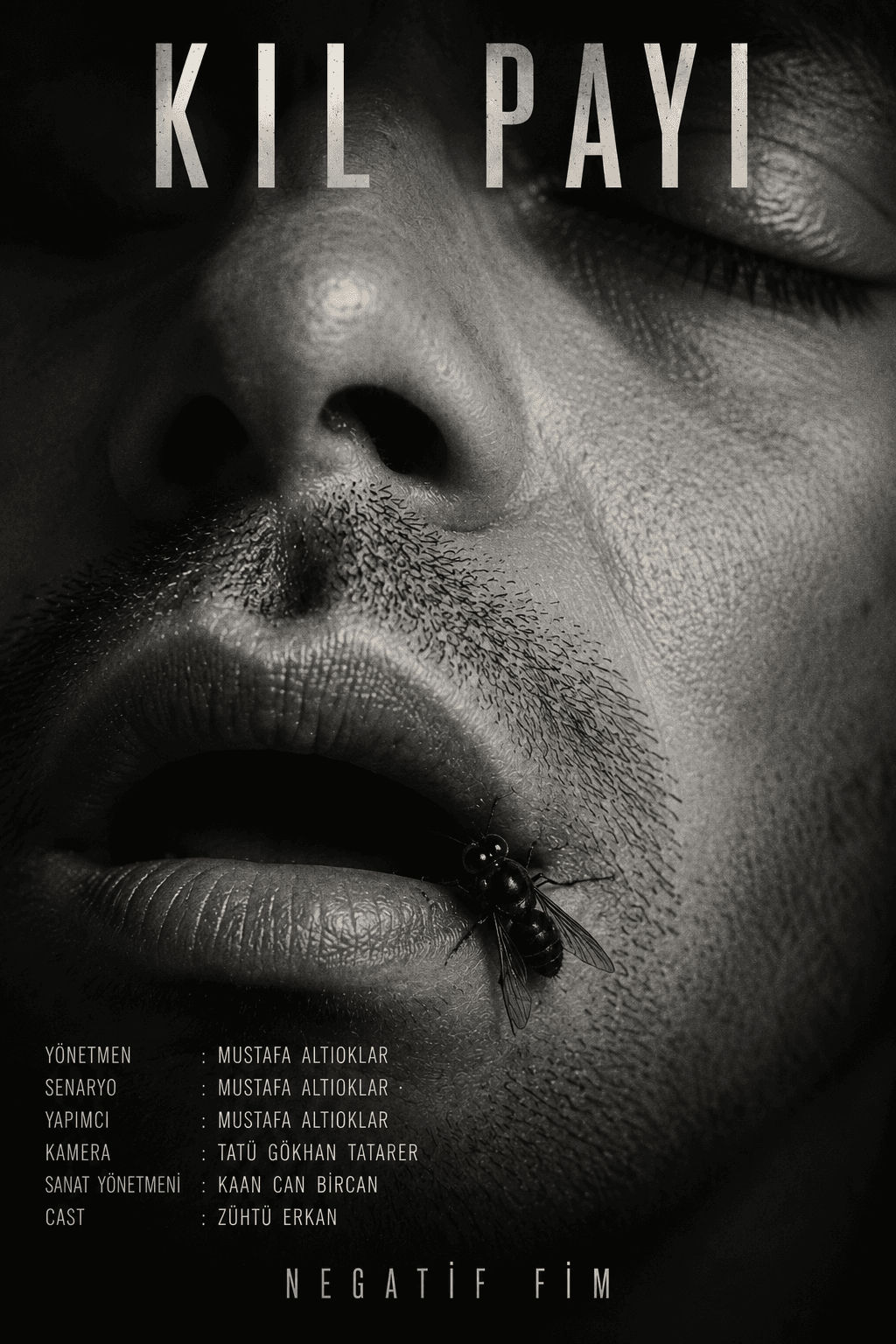
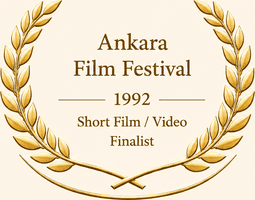
Motivated by his experience in Lausanne, he went on to direct four consecutive short films: Ayak Sesleri, Lapsus, Agony, and Kıl Payı.

In 1992, he made his feature-film debut with Denize Hançer Düştü, which earned him the Best New Coming Director Award.

National recognition followed with Istanbul Beneath My Wings (1995), a landmark production widely credited with helping revitalize the Turkish film industry, while Cholera Street became one of the defining works of contemporary Turkish cinema. Both films were included in Sinema magazine's survey of the 100 Greatest Turkish Films of All Time, where Cholera Street was ranked among the ten greatest, reflecting its lasting cultural impact and public recognition.

Between 1989 and 2007, over the course of eighteen years, Altıoklar directed seven feature films, seven award-winning short films and several highly acclaimed television productions, completing one of the most prolific creative periods of his career.

“Every story begins where balance ends and end where the balance is restored.”

Between 2007 and 2011, he served as President of the Turkish Film Directors Association (FİLM-YÖN), becoming one of the leading voices defending artistic freedom, authors' rights and the independence of Turkish cinema. His advocacy often placed him in conflict—not only with public institutions, but also with parts of the industry he sought to reform.

Mustafa Altıoklar actively supported the Gezi Park movement in 2013. Providing emergency medical treatment to injured demonstrators in the first-aid tents established around the park, and contributing to the public debate through his political writings and speeches, he was among those who supported the movement.

Viewing the Gezi Park uprising as a symbolic rebellion against the "Sacred Father," Altıoklar saw in it the culmination of an opposition to political Islam he had maintained since its rise to power in 2002. His civic activism was followed by professional blacklisting, judicial investigations, censorship, and years of sustained political pressure.

Yet rather than retreating from public life, he carried his philosophy of civic participation into party politics through the #occupyCHP initiative in 2013, encouraging the generation that had energized Gezi to transform the Republican People's Party (CHP) through grassroots democratic participation.

“The story shouldn't shape the character. The character should drive the story.”

In 2014, drawing on his medical background, Altıoklar publicly stated his professional opinion that Turkey's Prime Minister was displaying symptoms consistent with Narcissistic Personality Disorder, warning that such a condition could become dangerous not only for the individual himself, but eventually for those around him, the country, and even the wider international community. The statement triggered years of criminal prosecutions, professional blacklisting, and sustained political pressure.

His courtroom defense did not argue that he had merely exercised freedom of expression. Instead, it rested on a more fundamental principle. "You are not judging me. You are judging science itself."

The courts ultimately rejected his defense and convicted him. While the execution of the sentence remained pending before the higher courts, escalating political pressure, judicial proceedings, and growing professional isolation ultimately compelled him to leave his homeland.

During the same period, Altıoklar suffered profound personal loss, losing both his mother and his father within two consecutive years, while the legal campaign against him continued to intensify. Following increasing political pressure, censorship and legal persecution in Turkey, Altıoklar relocated to Berlin in 2017.

“Life offers no retrospective seeding. A screenplay does.”

Shortly after his arrival, together with Vedat Erincin and Esin Yıldız, he founded B’ACT Academy—not only as an educational initiative but also as a practical means of sustaining independent artistic production in exile. What began as a necessity gradually evolved into a creative laboratory where filmmaking, acting, writing and interdisciplinary collaboration continue to develop alongside one another.

Realizing that his screenplays were unlikely to be produced anytime soon in Germany -a country whose film industry was still unfamiliar territory to him -he chose the opposite of the conventional path. Rather than adapting books into screenplays, he adapted his screenplays into books. His publications include Hafif Roman (2018), The Journey of the Character (2020), a screenwriting textbook, and Requiem for a Homeland (2025), his first novel.

Banned from working in Türkiye and starting over as a foreign filmmaker in Germany, he remained away from feature filmmaking for seventeen years before returning with Gegen den Strom (Against the Current) in 2026.

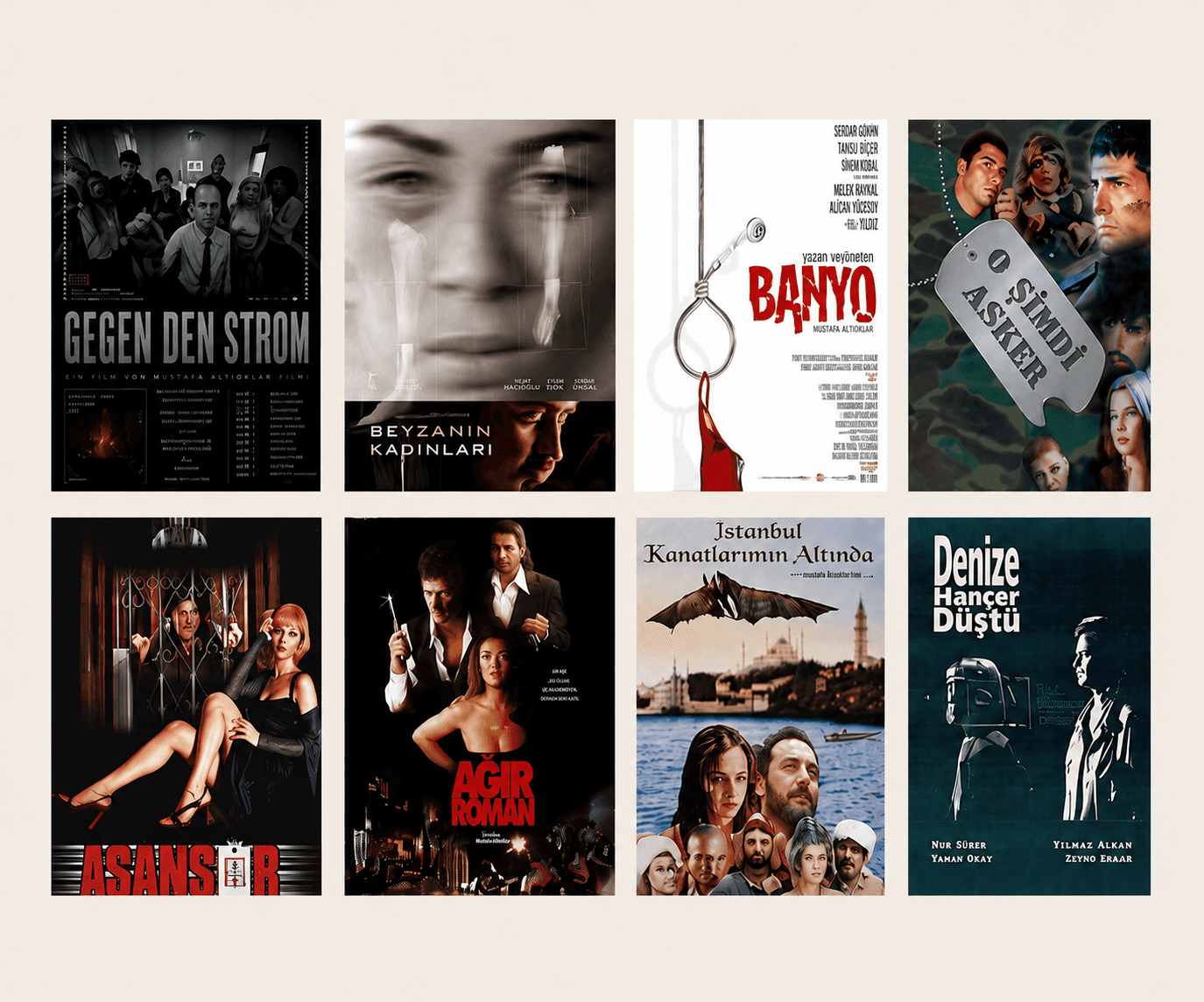
Filmography

"I am taking X-Ray films of life."

Gegen den Strom

Against The Current

Neo-Noir political crime · 2026

"Guilty - Until AI Verdicts Otherwise."

Beyza'nın Kadınları

Shattered Soul

Psychological serial-killer thriller · 2007

"She was never alone."

Banyo

The Bathroom

Social satire · 2005

"Don't blame deus ex machina. Blame your choices."

O Şimdi Asker

He Is In the Army Now

Satirical Military Comedy · 2003

"Growing up was never this ridiculous."

Asansör

"L'Ascenseur"

Existential black comedy · 1999

"And the voyeur enters the frame."

Ağır Roman

Cholera Street

Roma, romance, crime · 1998

"Cheer up, lad. You're on borrowed time."

İstanbul Kanatlarımın Altında

Istanbul Beneath My wings

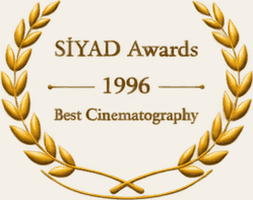
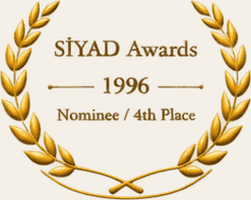
Historical drama · 1996

"The sky was never the real frontier.."

Denize Hançer Düştü

Balcony

Love & Betrayal · 1992

"The dagger found her."

Short Films

Ayak Sesleri

Ayak Sesleri

Footsteps

1992

Awards Awards Awards Awards
Çizgim

Çizgim

My Line

1989

Agoni

Agoni

Agony

1992

Awards
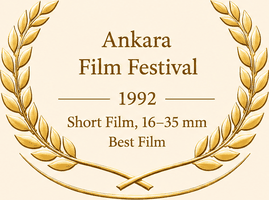
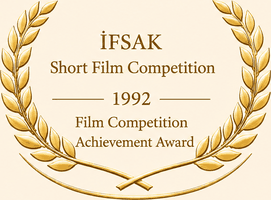
Lapsus

Lapsus

Lapsus

1992

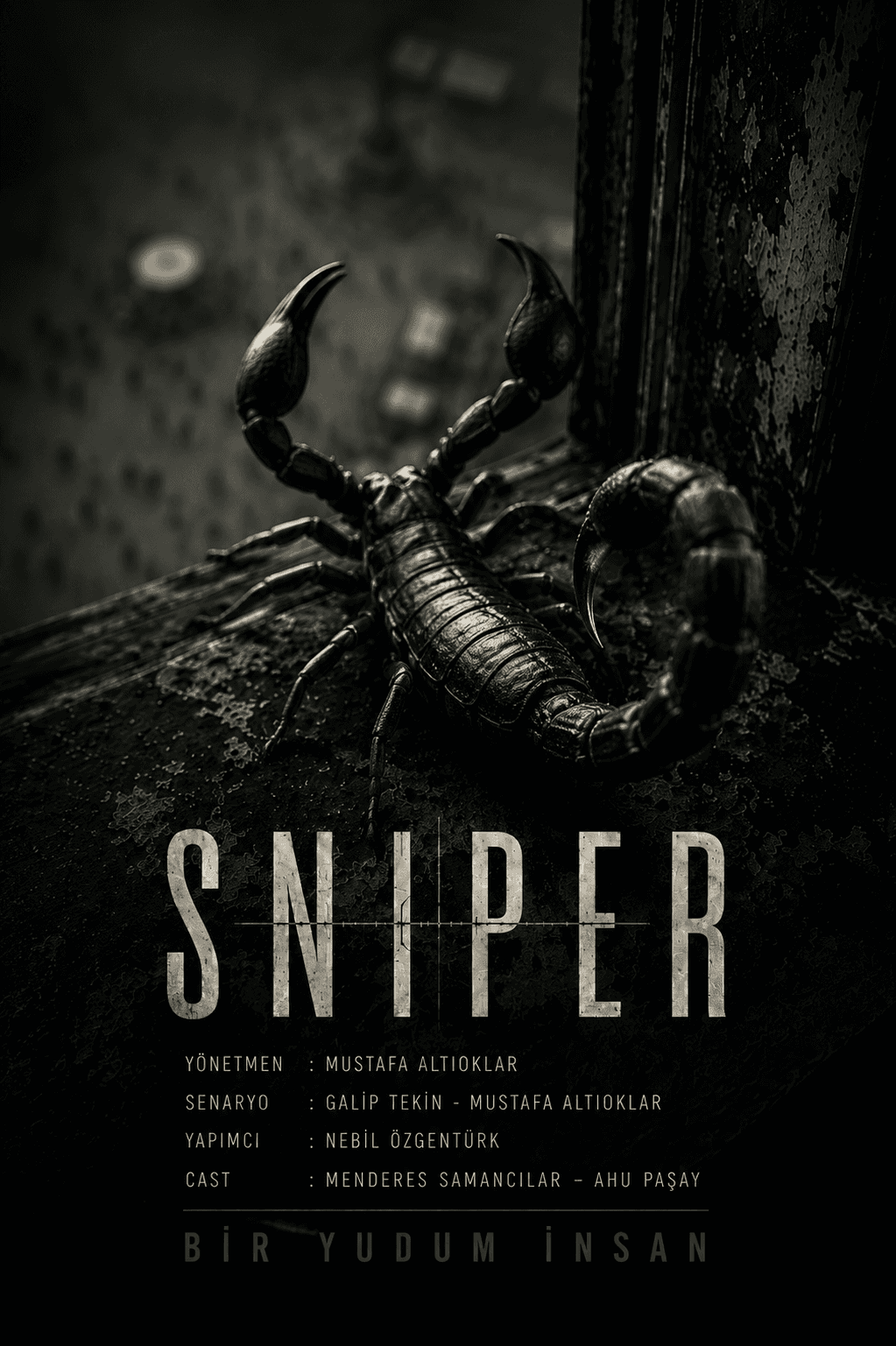
Sniper

Sniper

Keskin Nişancı

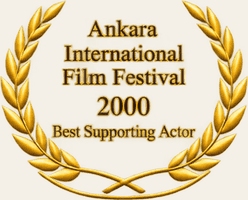
2000

Awards
Kıl Payı

Kıl Payı

One Hair

1992

Books

“Write — the world needs your voice”

Karakterin Yolculuğu

The Journey of the Character

Textbook on screenwriting · 2021

Hafif Roman

Hafif Roman

Rukeli

Story collection · 2019

Bir Vatan İçin Ağıt

Requiem For a Heimat

Novel · 2025

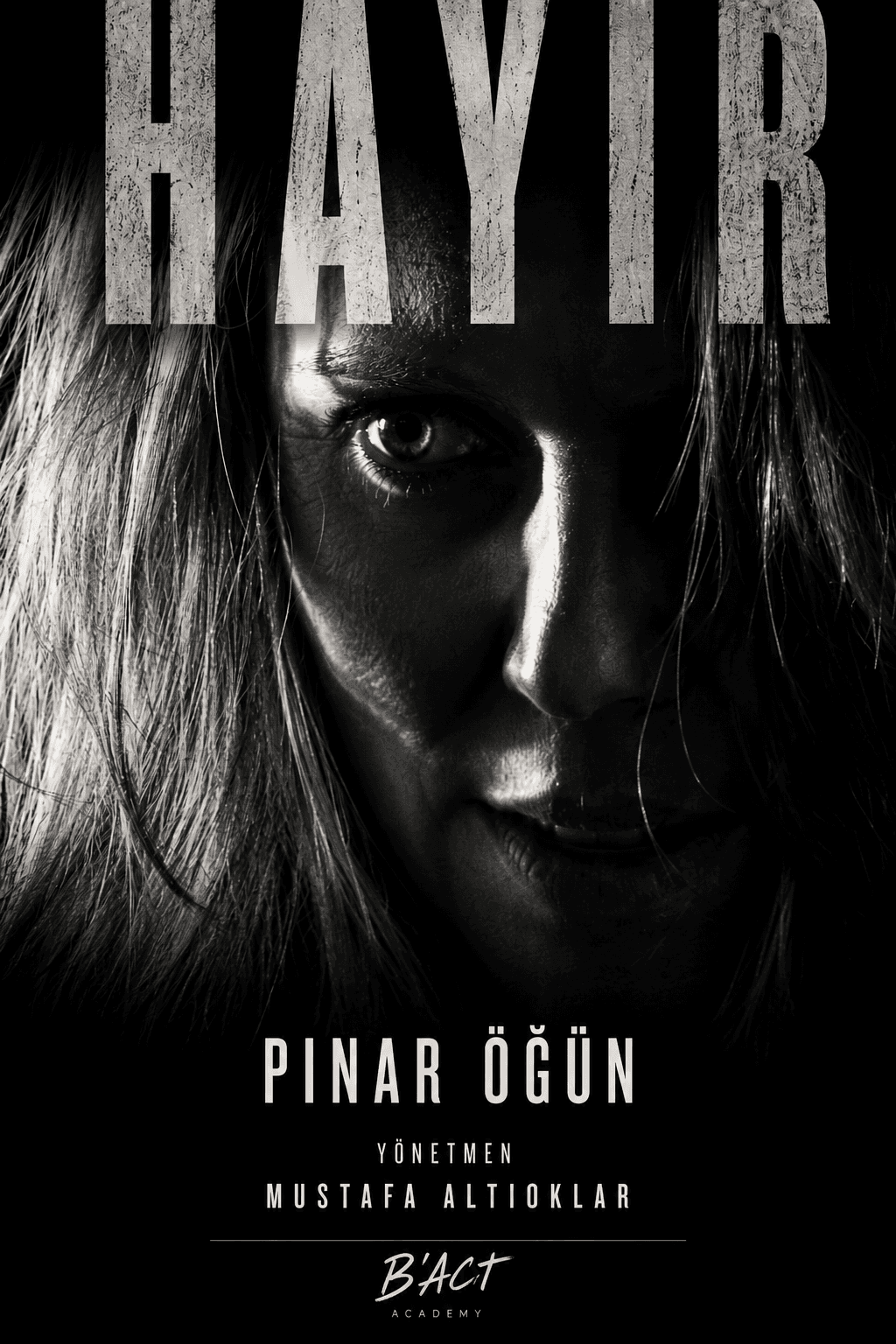
B'ACT Academy

B'ACT Academy ist ein Creative Studio für Schauspiel, Drehbuchentwicklung, Talentförderung und Film Produktionen.

Das Studio wurde 2016 in Berlin Mustafa Altioklar, Vedat Erincin und Esin Yildiz gegründet.

bactacademy.thinkific.com